

Synopsis
Effective fire damage evaluation is key in restoring properties affected by fire and smoke. This article highlights important tools like thermal imaging cameras, moisture meters, and odor detection devices, focusing on their role in identifying hidden damage. It also discusses the use of advanced technologies, such as drones and 3D mapping, for thorough evaluation. By understanding fire’s impact and utilizing innovative techniques, restoration professionals achieve efficient recovery. Steadfast Restoration Services in Pleasanton, CA, leads with expertise and technology-driven solutions for effective fire and smoke damage restoration.
Key Takeaways
- Thermal imaging cameras and moisture meters are essential for detecting hidden structural and water damage.
- Soot and smoke particle detectors help identify contamination, enabling targeted restoration efforts.
- Advanced tools like drones and 3D mapping enhance fire damage evaluation, especially in hard-to-reach areas.
- Proper evaluation of fire, smoke, and water damage leads to effective and efficient restoration.
- Local expertise and transparent communication are vital when choosing a fire restoration company.
- Steadfast Restoration Services uses advanced tools and technologies for complete fire and smoke damage restoration.
Dealing with the aftermath of fire requires a detailed and methodical approach, particularly when it comes to assessing the full scope of fire and smoke damage. At Steadfast Restoration Services, a leading fire damage restoration company in Pleasanton, CA, we recognize the importance of a detailed damage evaluation to restore properties to their pre-fire condition. Fire damage restoration goes beyond simply repairing visible damage— it involves identifying hidden structural weaknesses, evaluating smoke and soot damage, and addressing water-related issues caused by firefighting efforts.
Fire and smoke damage can impact many areas of a home or business. Structural integrity, electrical systems, plumbing, and even the contents of the building can be severely affected. Smoke and soot can also spread beyond the immediate area of the flames, leaving persistent odors and residue that are difficult to remove. Understanding the full scope of these damages is key to creating an effective restoration plan.
In this article, we will examine the key tools for fire damage evaluation. These tools are important for identifying all types of fire and smoke damage, whether visible or hidden. Using these instruments allows for a thorough assessment, helping to prevent further damage and accelerating the restoration process. By employing state-of-the-art technology, Steadfast Restoration Services delivers prompt, high-quality fire damage restoration services throughout Pleasanton, CA, and the surrounding regions.
Understanding the extent of fire damage is important for making informed decisions about the restoration process. Whether you require fire damage cleanup, repair, or smoke and fire damage restoration, having a professional team with the right tools guarantees that the job is done correctly the first time. Let’s take a closer look at the tools professionals rely on for effective fire damage evaluation.
Understanding Fire Damage and Its Effects
Before evaluating fire damage, it’s important to understand the various types of destruction caused by a fire. Fire damage restoration requires a clear understanding of the damage that may affect a property, as this helps restoration professionals select the appropriate tools and methods. When you hire fire damage restoration services in Pleasanton, CA, knowing these factors helps make sure that every aspect of the damage is addressed effectively.
Types of Fire Damage
1. Structural Damage:
- Definition: Structural damage refers to the weakening of the building’s framework, including walls, roofs, and foundations.
- Causes: The intense heat produced by the fire can compromise materials such as wood, drywall, metal, and even concrete. For example, wooden beams can warp or burn, and metal can lose its strength, leading to the risk of collapse.
- Signs: Warped doors or windows, cracks in walls or ceilings, and buckled floors are common signs of structural fire damage. Often, these issues are not immediately visible, requiring thorough inspection.
- Impact: Left unchecked, structural damage can cause long-term safety hazards and higher repair costs. This is why fire damage repair and restoration services must focus on assessing and reinforcing the building’s structural integrity.
2. Smoke and Soot Damage:
- Definition: Smoke damage is often less obvious than fire damage but can be just as severe. It involves the deposition of soot and smoke particles throughout the property.
- Causes: Smoke can spread through ventilation systems and seep into areas not directly impacted by flames. This can lead to stubborn stains and lingering odors.
- Signs: Stains on walls, ceilings, and furniture, along with a smoky odor, are common indicators of smoke and soot damage. Even hidden spaces, such as behind furniture or inside walls, can retain these particles.
- Impact: Smoke and soot can cause discoloration of surfaces and persistent odors. These contaminants can also affect indoor air quality, leading to health concerns, which makes proper smoke and fire damage restoration crucial.
3. Water Damage:
- Definition: Water damage occurs when water is used to extinguish the fire. While necessary to stop the flames, water can cause its own set of issues.
- Causes: Water from hoses, sprinklers, or fire hoses can seep into walls, ceilings, and floors. This moisture may lead to further damage, such as wood warping, drywall deterioration, and mold growth.
- Signs: Visible water stains, dampness, and mold growth are common indicators of water damage. A high moisture level in the air can also suggest the presence of hidden water damage.
- Impact: Excess moisture creates an ideal environment for mold and mildew to grow. Mold can spread rapidly and lead to serious health issues, making it essential to address water damage during the fire damage restoration process.
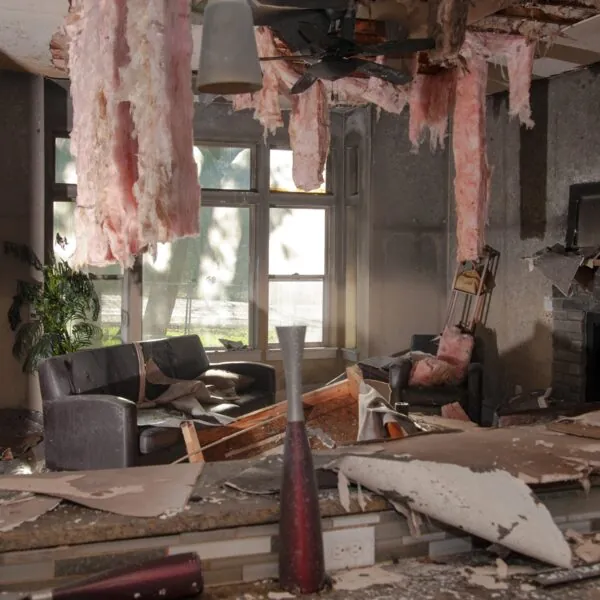
Key Tools for Fire Damage Assessment
Effective fire and smoke damage restoration requires a range of specialized tools. These tools enable professionals to assess all aspects of fire damage, including hidden damage that may not be immediately visible to the naked eye. A thorough evaluation of the property is essential to ensuring a complete restoration. Below are some of the most critical tools used in fire damage restoration and their key functions:
1. Thermal Imaging Cameras
Thermal imaging cameras play an important role in fire damage restoration by detecting temperature variations that are not visible to the naked eye. These tools allow restoration experts to identify hidden heat pockets within walls, ceilings, and other concealed areas of a building. Even if there are no visible signs of damage, these cameras can find areas exposed to excessive heat, which may have weakened the structure or caused residual damage. Thermal imaging helps locate areas that may require additional inspection, allowing fire damage restoration services to address structural vulnerabilities and maintain the safety of the property.
2. Moisture Meters
A common result of fire damage cleanup is the presence of water damage, often caused by firefighting efforts. Moisture meters are essential for measuring the moisture content in materials like wood, drywall, and insulation. By providing precise moisture level readings, these meters help professionals identify areas where water damage could lead to mold growth, complicating the fire damage restoration process. Detecting and addressing water damage early on is important to avoid further problems, especially in areas with high humidity or poor ventilation. Proper moisture evaluation makes sure that all moisture-related issues are handled as part of the fire damage restoration service.
3. Soot and Smoke Particle Detectors
After a fire, the remaining soot and smoke particles can cause ongoing odor issues and stains on surfaces. Specialized soot and smoke particle detectors are used to measure the extent of contamination caused by these particles. These detectors allow professionals to determine how deeply the smoke has affected various materials, helping them choose the most effective cleaning methods. By using soot and smoke detectors, restoration companies can perform thorough cleaning of affected areas and address long-term issues like stubborn odors or discoloration. Proper attention to soot and smoke damage is an essential step in the smoke and fire damage restoration process, ensuring the property is fully restored.
4. Borescopes and Inspection Cameras
Borescopes and inspection cameras are advanced tools used to access and inspect hard-to-reach areas within a building. These tools allow fire restoration companies to examine areas such as behind walls, inside ducts, and within pipes—places where fire and smoke damage may not be immediately visible. The use of borescopes provides professionals with a clear view of these concealed spaces, allowing them to evaluate whether they have been affected by the fire or smoke. This method is crucial for ensuring a thorough assessment of the property without causing unnecessary destruction or disruption. The ability to inspect these hidden areas is vital for conducting a thorough fire damage repair and ensuring all affected spaces are addressed.
5. Odor Detection Tools
One of the most challenging aspects of fire and smoke damage restoration is eliminating persistent smoke odors. Specialized odor detection tools, such as ozone meters and air sampling devices, are used to measure the intensity and spread of smoke odors within a building. These tools help restoration professionals assess where the odors are concentrated and determine the best methods for eliminating them. Persistent odors can linger in fabrics, carpets, walls, and other porous materials, making it essential to accurately detect and address them. By using odor detection tools, restoration experts can develop a targeted approach to odor removal, ensuring the property is completely restored to a smoke-free condition.
6. Moisture and Temperature Loggers
Maintaining proper humidity and temperature levels is a critical part of the fire damage restoration process, particularly when dealing with water damage or moisture-related issues. Moisture and temperature loggers are used to monitor and record these environmental factors throughout the restoration process. These devices track temperature and humidity levels in real-time, ensuring that restoration professionals can adjust the conditions to prevent mold growth and further damage. By continuously monitoring the affected areas, moisture and temperature loggers help control the environment, ensuring that areas exposed to water damage are adequately dried and that no additional complications arise during restoration.
The Role of Technology in Fire Damage Assessment
In recent years, technological advancements have greatly improved the accuracy, speed, and efficiency of fire damage restoration services. Fire restoration companies, including Steadfast Restoration Services in Pleasanton, CA, now rely on advanced tools to conduct more detailed inspections of fire-damaged properties. These innovations help guarantee that every part of a property is thoroughly examined and restored, allowing for faster repairs and minimizing the risk of missed damage. In this article, we’ll look at several technologies that have changed the way fire damage is evaluated and handled.
1. Drones for Aerial Inspections
One of the most valuable tools for evaluating fire damage is the use of drones. Drones, equipped with high-resolution cameras, allow professionals to inspect hard-to-reach areas, especially in larger properties or multi-story buildings. Aerial inspections offer a complete view of the roof, upper levels, and exterior, where damage may be difficult to access or identify from the ground.
Key benefits of using drones for fire damage restoration include:
- Detailed aerial views: Drones capture high-resolution images and videos of the property’s exterior, enabling a clear view of fire-damaged areas that may not be visible from a ground-level inspection.
- Time efficiency: Drones can quickly cover large areas, allowing restoration experts to gather important data without the need for scaffolding or ladders.
- Safety: By using drones for inspections, professionals can assess potentially hazardous areas without putting themselves at risk, such as damaged roofs or structures that may be unstable.
By using drones, fire restoration companies can quickly identify critical damage, leading to more effective and focused restoration efforts.
2. Advanced Moisture Detection
Another significant advancement in fire damage restoration is the use of advanced moisture detection technologies. After a fire, moisture issues often arise, especially from firefighting efforts that involve water. Excess moisture can lead to further damage, including mold growth and weakened structural integrity. Accurate moisture detection is essential for effective fire damage cleanup.
Several key tools in moisture detection include:
- Infrared Thermography: This tool uses infrared cameras to detect temperature variations in building materials. The images produced help identify areas of trapped moisture that may not be immediately visible to the naked eye. Infrared thermography is invaluable for detecting hidden water damage in walls, ceilings, and floors.
- Ultrasonic Moisture Meters: These devices use sound waves to measure moisture content in materials. Ultrasonic meters are especially useful for assessing moisture levels in areas like drywall or insulation that can absorb significant amounts of water.
- Capacitance Meters: These meters measure the electrical conductivity of materials, which is often affected by moisture content. They provide real-time data on moisture levels in building materials, helping professionals make informed decisions during fire damage restoration.
By employing these advanced moisture detection tools, professionals can precisely identify areas that need drying or remediation, minimizing long-term issues like mold or structural damage.
3. 3D Mapping Tools
3D mapping technology has revolutionized how fire damage restoration services are planned and executed. This technology allows restoration experts to create detailed, three-dimensional models of the property, offering a complete view of the fire-damaged areas. These models provide crucial data that can be used throughout the restoration process.
Key advantages of 3D mapping in fire restoration include:
- Thorough damage analysis: 3D models provide an accurate representation of the fire-damaged property, allowing professionals to see the extent of the damage from all angles. This helps them plan repairs more effectively.
- Streamlined restoration planning: The models serve as a visual aid for decision-making, allowing restoration teams to prioritize areas that require immediate attention and allocate resources efficiently.
- Insurance claims support: 3D maps are useful for documenting the damage for insurance purposes. They provide clear, visual evidence of the extent of the fire damage, which can expedite the claims process and help homeowners get the compensation they need.
By incorporating 3D mapping technology into their assessment process, fire restoration companies can create precise, reliable restoration plans that lead to faster and more effective repairs.

Why Choosing the Right Fire Restoration Company Matters
Selecting the right fire restoration company is critical for ensuring efficient and accurate restoration. Effective fire damage assessment relies on advanced tools and skilled professionals who understand the nuances of fire and smoke damage restoration. At Steadfast Restoration Services, we specialize in providing high-quality fire damage restoration in Pleasanton, CA, combining expertise with advanced methodologies to restore properties effectively.
Expertise in Local Fire Damage Challenges
Choosing a fire restoration company familiar with the unique challenges of the local area can make a significant difference. Fire damage restoration in Pleasanton, CA, often involves addressing region-specific factors such as seasonal weather impacts and local building materials. Steadfast Restoration Services’ extensive knowledge of these variables provides customized solutions for each client.
Transparent Communication and Documentation
Effective restoration doesn’t just involve cleanup and repair—it requires clear communication and reliable documentation. A dependable fire damage restoration service should keep property owners informed throughout the process. At Steadfast Restoration Services, we maintain open communication with our clients and provide detailed documentation for insurance claims, streamlining the recovery journey for a hassle-free experience.
Final Thoughts: Ensuring Effective Fire Damage Restoration
Effective fire damage assessment is crucial for restoring a property after a fire. Using the right tools and technologies helps identify all types of fire and smoke damage, ensuring that no issue is overlooked. From thermal imaging cameras to moisture meters and advanced odor detection tools, these devices allow professionals to conduct a thorough and accurate assessment.
At Steadfast Restoration Services, we understand the importance of using the best tools available for fire and smoke damage restoration. Our experienced team offers fast and reliable fire damage restoration services throughout Pleasanton, CA, and the surrounding areas. Whether you need fire damage cleanup, repair, or complete restoration, we are here to help.
For more information or to schedule an assessment, contact Steadfast Restoration Services at (925) 966-1206 or email us at contact Steadfast Restoration Services. Our dedicated team is ready to help you restore your property and peace of mind.
Need help now? Call (925) 966-1206 for 24/7 emergency response in Pleasanton, Livermore, Dublin, and the Tri-Valley, or request a free estimate.


